Germany has always been a green haven for nature lovers, but few places have surprised and delighted me quite like Cottbus. Nestled in the eastern part of the country, this small city in Brandenburg may not be the first name that springs to mind when planning a trip to Germany—but it should be, especially if you, like me, find peace, beauty, and inspiration in natural spaces.
I am always looking for destinations that blend rich culture with immersive natural experiences. Cottbus delivered far beyond my expectations. This is not a city that shouts; it’s one that whispers its secrets through the rustling of leaves, the gentle ripples of lake water, and the chirping of birds in a dawn-lit forest.
Let me take you through a personal, vivid journey of six of the most enchanting parks and nature reserves in and around Cottbus. I’ll also share practical tips for visiting, what you can expect, and my own emotional takeaways from each green retreat.
1. Branitzer Park (Fürst-Pückler-Park Branitz)
📍 Location: Kiekebuscher Straße 5, 03042 Cottbus
🎟️ Entry Fee: Free (optional guided tours: ~5–10 EUR)
🛍️ Souvenir Tip: Buy a Fürst-Pückler ice cream or park-themed postcards
Of all the green spaces I explored in Cottbus, none captivated my imagination quite like Branitzer Park. This masterpiece of landscape design was the life’s work of Prince Hermann von Pückler-Muskau—a name that carries a certain weight in German horticultural history. He wasn’t just a nobleman; he was a dreamer, a romantic, and a visionary. And Branitzer Park is his canvas.
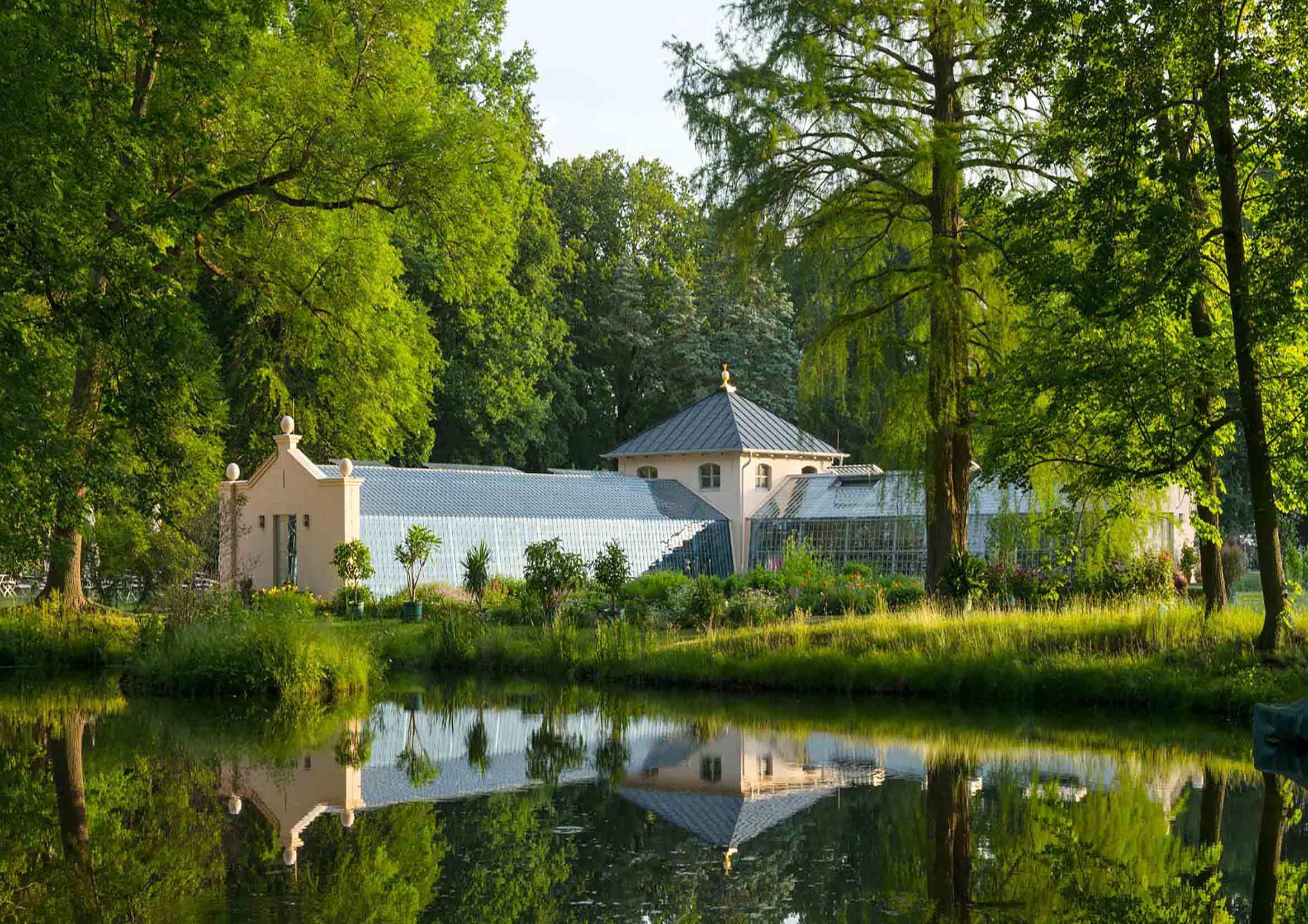
I arrived just after sunrise, when the park is at its most intimate. A fine mist hovered above the grassy fields, and dew clung to every leaf and petal. The serenity was almost cinematic. I remember walking alone through a narrow path lined with weeping willows, the sound of my own footsteps softened by the soil. Then, suddenly, the trees parted and there it was: the pyramid-shaped tomb rising from the middle of a lake, its reflection dancing on the water. A tomb in the form of a pyramid, in Germany, built for a prince—how utterly unexpected and yet completely enchanting.
The park is a harmonious balance of the natural and the intentional. Unlike the rigid symmetry of French gardens or the wildness of English ones, Branitzer Park feels like a poem translated into flora and stone. Each tree seems deliberately placed to guide your eye or emotions; the curves of the walking paths nudge you forward, then pause you at the perfect vista.
I spent hours exploring the winding trails, discovering hidden sculptures, quiet benches, and playful bridges that seemed plucked from a fairy tale. I met a local artist who visits weekly just to sketch the park’s ever-changing mood. She told me that no matter how many times she returns, she always notices something new—and I understood exactly what she meant.
🌿 Activities & Tips:
- Bring a sketchpad or camera. Whether you draw, photograph, or simply observe, this is a place that stimulates the senses.
- Don’t miss the Fürst-Pückler Museum inside Branitz Palace. It offers a fascinating glimpse into the prince’s life, his eccentric personality, and the stories behind the park’s design.
- Visit in spring or autumn. The blooming flowers and fiery foliage turn the park into a living painting.
Branitzer Park isn’t just a green space—it’s an emotional and artistic experience. It invites you not just to see, but to feel.
2. Spreeauenpark
📍 Location: Kiekebuscher Allee, 03042 Cottbus (near Branitz Park)
🎟️ Entry Fee: Free
🛍️ Souvenir Tip: Locally crafted wooden toys and seed packets sold in seasonal events
Right next door to Branitzer Park, Spreeauenpark was originally built for the 1995 Federal Garden Exhibition (Bundesgartenschau). Today, it’s a family-friendly, multifunctional green space where locals go to relax and recharge.
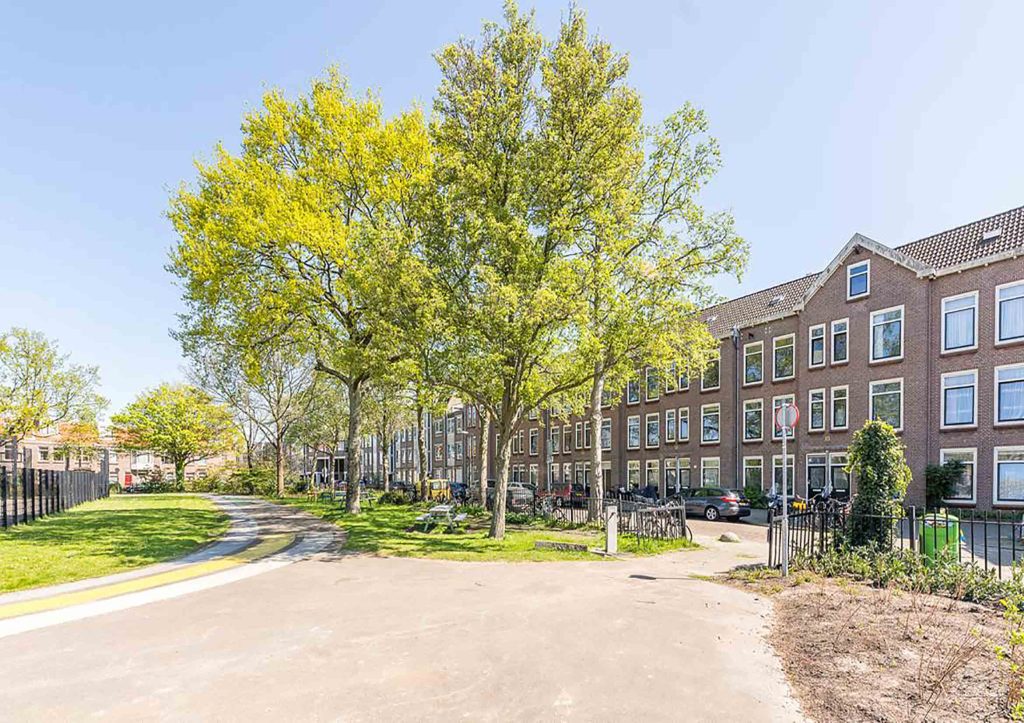
For me, this park was a celebration of modern landscape architecture. Unlike the romantic flair of Branitz, Spreeauenpark is open and airy, with clearly defined zones—rose gardens, water features, children’s play areas, and even mini wetlands.
One of my favorite parts was the small observation tower, which gave me a panoramic view of the Spree River winding its way through the land. I sat for nearly an hour just watching the water flow. It was a moment of true stillness.
🌿 Activities & Tips:
- Great for cycling and running.
- Visit in spring for the full bloom of the rose garden.
- Bring a picnic—there are many shaded spots to unwind.
3. Madlower Badesee (Madlow Lake and Nature Reserve)
📍 Location: Madlower Hauptstraße, 03050 Cottbus
🎟️ Entry Fee: Free
🛍️ Souvenir Tip: Handmade beeswax candles or wildflower honey from local beekeepers
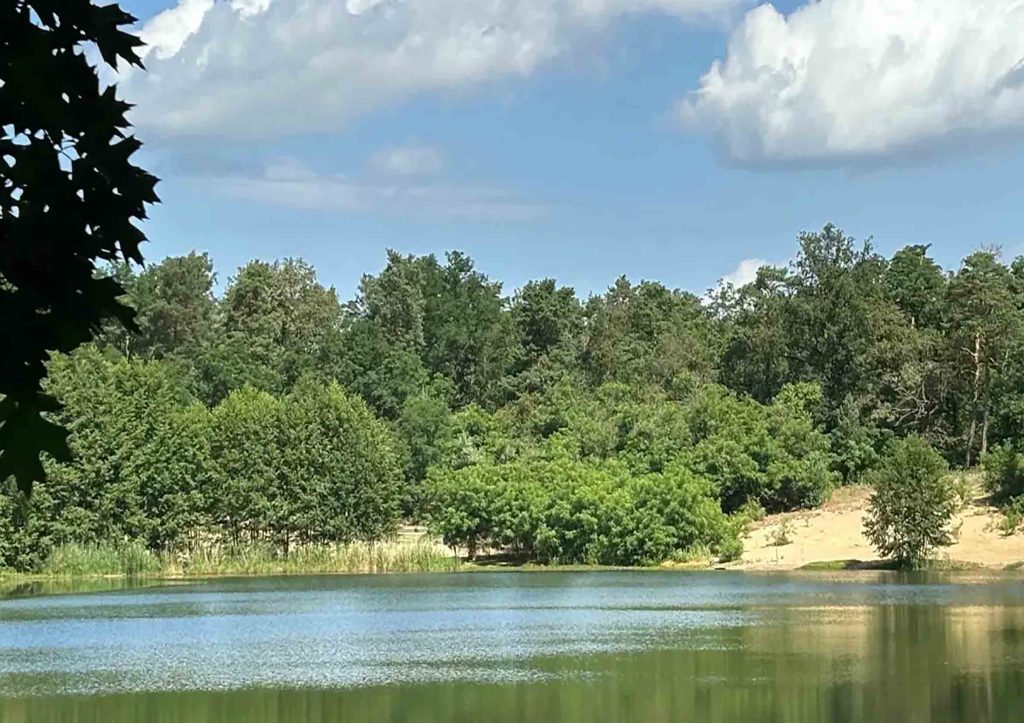
If you’re seeking a more immersive nature experience, head south of the city to Madlower Badesee. This lake and surrounding nature reserve are less curated and more rugged, offering a deep breath of wilderness within reach of the city center.
I went for a swim here on a particularly warm day in July. The water was clear and inviting, fringed with reeds and aquatic plants. Later, I joined a small group of birdwatchers who pointed out marsh harriers, grebes, and even a shy otter near the western bank.
🌿 Activities & Tips:
- Ideal for swimming, kayaking, and birdwatching.
- Don’t forget biodegradable sunscreen—help protect the water.
- Watch for local signs pointing to nearby apiaries for fresh honey.
4. Cottbuser Ostsee (Cottbus East Lake)
📍 Location: Lakoma, 03042 Cottbus
🎟️ Entry Fee: Free
🛍️ Souvenir Tip: Lakoma-themed nature prints or eco-conscious water bottles from local shops
Still in development but already attracting hikers and cyclists, Cottbuser Ostsee is an ambitious project to transform a former lignite mining site into one of Germany’s largest artificial lakes. The vision alone is breathtaking: an ecological resurrection, a monument to sustainable living.
Though not fully filled yet, the lake’s edges are teeming with new life. I walked a trail tracing the lake’s perimeter, marveled at saplings planted by schoolchildren, and paused at a viewing platform where I met an elderly local who recounted stories of the land’s mining past.
🌿 Activities & Tips:
- Bring binoculars—there are excellent opportunities for spotting migrating birds.
- The best time to visit is early morning or late afternoon.
- Wear comfortable shoes—trails can be dusty and uneven.
5. Tierpark Cottbus (Cottbus Zoo and Botanical Garden)
📍 Location: Kiekebuscher Str. 5, 03042 Cottbus
🎟️ Entry Fee: ~10 EUR adults, ~5 EUR children
🛍️ Souvenir Tip: Animal-themed plush toys and plant seeds
Not your average zoo, Tierpark Cottbus is nestled within an old botanical garden. It feels more like a park with animals than a zoo in the traditional sense. Spacious enclosures and themed gardens make it a pleasant surprise even for someone like me, who often skips zoos when traveling.
The highlight? The lemur island, where ring-tailed lemurs roam freely on a small island you can observe from nearby. I also loved the botanical diversity—the Japanese garden in particular felt like a meditative escape.
🌿 Activities & Tips:
- Great for kids and adults alike.
- Stop by the café inside the park for fresh pastries.
- Arrive early to catch the animal feeding sessions.
6. Schlichow Forest Reserve
📍 Location: Schlichower Straße, 03054 Cottbus
🎟️ Entry Fee: Free
🛍️ Souvenir Tip: Locally made herbal teas and forest-themed handicrafts
A hidden gem on the outskirts of Cottbus, Schlichow Forest is where I went to lose and find myself. This place has an almost magical atmosphere—tall pines, dappled light, mossy trails, and absolute silence.
I hiked here with no particular route, just following the sunbeams filtering through the trees. The silence was powerful. A local herbalist I met told me about the healing plants growing wild here—chamomile, stinging nettle, and yarrow.
🌿 Activities & Tips:
- Ideal for forest bathing, meditation, or solo hikes.
- Avoid during hunting season unless trails are clearly marked as safe.
- Bring a thermos of tea and just sit in stillness.
Travel Booking Platforms I Recommend
For planning your journey through Cottbus—or anywhere else in Germany and Europe—these platforms have served me well:
- Accommodation:
- Booking.com: Great for hotels, guesthouses, and apartments.
- Airbnb: Excellent for a more local, immersive stay.
- Train Travel:
- Deutsche Bahn (DB): Best for train connections across Germany.
- Omio: Useful for comparing buses, trains, and flights.
- Flights:
- Skyscanner: Ideal for comparing cheap flight options.
- Experiences and Tickets:
- GetYourGuide: Excellent for booking guided tours.
- Tiqets: Convenient for museums and attractions in larger cities.
- Restaurant Discovery:
- Tripadvisor: Always check the latest reviews.
- TheFork: Especially useful in larger German cities.
Cottbus may not carry the same tourist clout as Berlin or Munich, but its natural charm, historical depth, and emotional resonance are on a different level. Every park and reserve I visited felt like a new chapter in an ongoing story—of land reclaimed, of nature nurtured, of people living in harmony with their environment.
As I packed my backpack after a week in Cottbus, I found myself oddly emotional. There was a quiet dignity to this city’s green spaces—a blend of human ingenuity and raw nature that lingers in your mind long after you’ve left.
If you’re yearning for something real, grounded, and soul-stirring—come to Cottbus. Walk its parks. Listen to its trees. You might just find what you didn’t even know you were looking for.